Yude
Mechanical
Yude
Mechanical
When setting up a new quarry or upgrading a recycling plant, the impact crusher is often the heart of the operation. However, a quick search for prices can be baffling. You might find quotes ranging from $20,000 to over $200,000.
Why is there such a massive gap? Does a higher price always guarantee better ROI?
In this guide, we’ll strip away the marketing jargon and look at the six critical factors that actually determine the investment cost of an impact crusher. Understanding these will help you avoid "cheap traps" and ensure you pay for performance, not just steel.
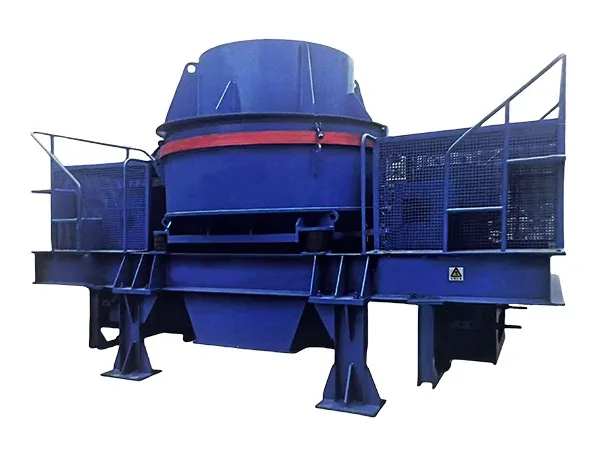
The most direct influencer of price is capacity. In the crushing world, size equals weight, and weight equals cost.
Small-scale units (30-70 TPH): Ideal for small construction waste projects. These are affordable but have limited rotor diameters.
Large-scale units (300-600+ TPH): These require massive rotors, heavy-duty bearings, and powerful motors.
The Investment Logic: Don't just buy for your current needs. Buying a machine that constantly runs at 100% capacity will lead to premature fatigue. Investing 15% more in a slightly larger model can often reduce maintenance costs by 30% over three years.
Not all impact crushers are built the same. The internal configuration changes based on what you are crushing:
Soft Rock (Limestone, Gypsum): Standard blow bars (High Manganese) work fine, keeping the initial price lower.
Hard/Abrasive Rock (Granite, Basalt, Concrete with Rebar): You need high-chrome blow bars or ceramic inserts.
Hidden Cost Alert: A "cheap" impact crusher often uses inferior alloy for the blow bars. While the sticker price looks great, you’ll find yourself replacing wear parts every two weeks, doubling your operating expenses (OPEX) within the first year.
How do you want your crusher delivered?
Stationary Units: Lower upfront cost. Best for long-term sites where the layout won't change.
Mobile/Portable Impact Crushers: Significantly higher price tag. You are paying for the chassis, tracks/tires, integrated conveyors, and the power unit (Diesel/Electric).
Pro Tip: If your project lasts less than 24 months or involves multiple sites, the higher investment in a mobile unit pays for itself by eliminating material haulage costs and foundation construction.
The rotor is the most expensive component of an impact crusher. When comparing quotes, look at the Rotor Weight and Design.
Heavy-duty Rotors: A heavier rotor provides greater moment of inertia. This means smoother crushing, fewer blockages, and the ability to handle larger feed sizes.
Lightweight Rotors: Common in budget-tier machines. They struggle with large feed sizes and consume more electricity due to RPM fluctuations.
We are moving away from manual adjustments. Modern investment costs are influenced by:
Hydraulic Opening/Adjustment: Allows you to change product size or clear a jam in minutes rather than hours.
Load Sensing Systems: Automatically adjusts the feed rate to prevent overloads.
While these features add to the "Price Tag," they drastically reduce labor costs and downtime, which are the true profit killers in any mining operation.
Price is not just about the machine; it’s about the ecosystem around it.
Tier 1 Manufacturers: Charge a premium but provide 24/7 parts availability and engineering support.
Budget Manufacturers: Often disappear when you need a specific bearing or a replacement rotor liner five years down the line.
To find the true value, use this simple formula instead of looking at the quote alone:
Total Cost of Ownership = Purchase Price + (Maintenance Cost per Ton × Total Tons) + Cost of Downtime
Investing in an impact crusher is a balance between your Capital Expenditure (CAPEX) and your Operational Expenditure (OPEX).
If you are looking for a machine that delivers consistent cubical product with minimal fuss, focus on the quality of the rotor and the ease of maintenance rather than the lowest bid.
Investing in impact crushers shouldn't be simply about "buying the cheapest," but rather about finding a balance between capacity, lifespan, and ease of maintenance. In this efficiency-driven era, a reliable set of equipment is not only your production tool, but also your confidence in coping with market fluctuations.
Our engineers have helped hundreds of clients optimize their crushing circuits to achieve the lowest cost-per-ton.
Top 3 Jaw Crusher Mistakes That Kill Your Production Rate
2026-07-20 02:40How Often Should You Replace Jaw Plates for Maximum Uptime?
2026-07-13 02:40Achieve Consistent 1-Inch Minus with These Jaw Crusher Settings
2026-06-29 06:06The Secret to Lower Energy Bills in Jaw Crushing Operations
2026-06-22 02:40Address: Luoyang Luoxin Industrial Park, Henan,China
E-mail: sales@yd-crusher.com
Phone: 86-139-3993-0123
Yude
Mechanical
Create the greatest value for customers
Provide the best quality products and services
86-139-3993-0123
sales@yd-crusher.com
Luoyang Luoxin Industrial Park, Henan,China