Yude
Mechanical
Yude
Mechanical
Excessive vibration in a jaw crusher is not just an annoyance—it often signals underlying mechanical or operational issues that can reduce efficiency, accelerate wear, and even lead to unexpected downtime. Many operators initially assume that vibration is a normal byproduct of crushing, but when it becomes abnormal, the machine is essentially “communicating” a problem that should not be ignored.
This article explains the real causes behind excessive vibration in jaw crushers, how to diagnose them, and what practical steps you can take to solve the issue. Whether you are an equipment operator, maintenance engineer, or procurement manager, this guide will help you make informed decisions and maintain stable production.
Every jaw crusher generates a certain level of vibration due to its working principle. The eccentric shaft drives the movable jaw to crush materials through periodic motion, which naturally produces dynamic forces.
However, normal vibration is stable and consistent, while excessive vibration often shows the following signs:
Sudden increase in amplitude
Irregular or intermittent shaking
Noise changes or metallic knocking
Visible movement of the foundation or frame
If your crusher shows any of these symptoms, the issue usually lies in mechanical imbalance, improper installation, or incorrect operation.
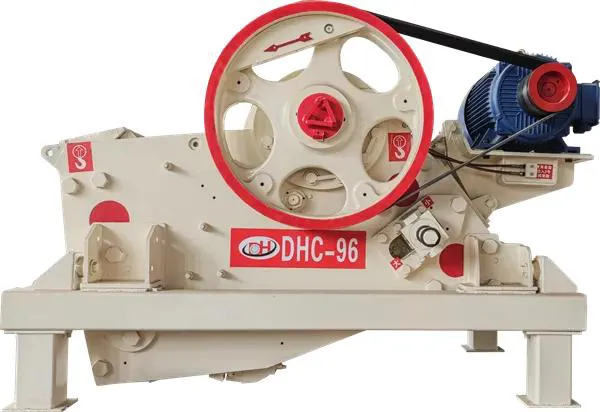
2.1 Uneven or Improper Feeding
One of the most overlooked causes is uneven feeding. When materials enter the crushing chamber from one side or in inconsistent volumes, the load distribution becomes unbalanced.
This imbalance forces the movable jaw to operate under uneven stress, which leads to vibration.
How to fix it:
Use a vibrating feeder to ensure uniform feeding
Avoid dumping large batches suddenly
Maintain consistent feed size and flow
2.2 Loose Foundation or Anchor Bolts
A jaw crusher must be installed on a solid and stable foundation. If anchor bolts loosen over time or the concrete base develops cracks, the entire machine can shift during operation.
This structural instability amplifies vibration significantly.
Solutions include:
Regularly check and tighten anchor bolts
Inspect the concrete foundation for cracks
Reinforce the base if necessary
2.3 Worn or Damaged Bearings
Bearings play a critical role in supporting the eccentric shaft. When they wear out, lose lubrication, or become damaged, they introduce irregular motion into the system.
Bearings play a critical role in supporting the eccentric shaft. When they wear out, lose lubrication, or become damaged, they introduce irregular motion into the system.
This often results in:
Increased vibration
Overheating
Abnormal noise
Recommended actions:
Perform regular lubrication according to manufacturer guidelines
Replace worn bearings promptly
Monitor temperature during operation
2.4 Imbalance in Flywheel or Pulley
The flywheel stores energy and ensures smooth operation. If it becomes unbalanced due to wear, material buildup, or manufacturing defects, it can create strong centrifugal forces.
These forces directly translate into vibration.
What you should do:
Check for material accumulation on the flywheel
Perform dynamic balancing if needed
Replace damaged components
2.5 Jaw Plate Wear or Improper Installation
Jaw plates (liners) experience continuous wear. Uneven wear or incorrect installation can disrupt the crushing symmetry.
This leads to:
Uneven crushing force
Increased vibration
Reduced efficiency
Best practices:
Rotate or replace jaw plates regularly
Ensure proper alignment during installation
Use high-quality wear parts
2.6 Incorrect Speed or Motor Issues
Operating the crusher at an incorrect speed can also trigger vibration. Motor problems, such as misalignment or unstable power supply, further worsen the situation.
Fixing steps:
Verify motor speed matches design specifications
Check coupling alignment
Ensure stable electrical input
2.7 Material Characteristics
Not all materials behave the same during crushing. Hard, wet, or sticky materials can cause uneven loading or blockage.
This results in fluctuating forces and vibration spikes.
To manage this:
Pre-screen materials when necessary
Control moisture levels
Avoid feeding oversized rocks
Instead of guessing, a systematic approach helps identify the real problem quickly.
Step-by-step diagnosis:
Observe vibration patterns
Check whether the vibration is constant or intermittent
Inspect mechanical components
Focus on bearings, flywheel, and jaw plates
Check installation stability
Examine foundation and bolt tightness
Evaluate feeding conditions
Look for uneven distribution or overload
Monitor operating parameters
Verify speed, power, and load consistency
A combination of these checks usually reveals the root cause.
Preventing excessive vibration is more cost-effective than fixing it after failure.
Here are proven maintenance strategies:
Establish a routine inspection schedule
Keep detailed maintenance records
Use original or high-quality spare parts
Train operators to follow correct feeding practices
Perform periodic vibration analysis
These measures not only reduce vibration but also extend the lifespan of your equipment.
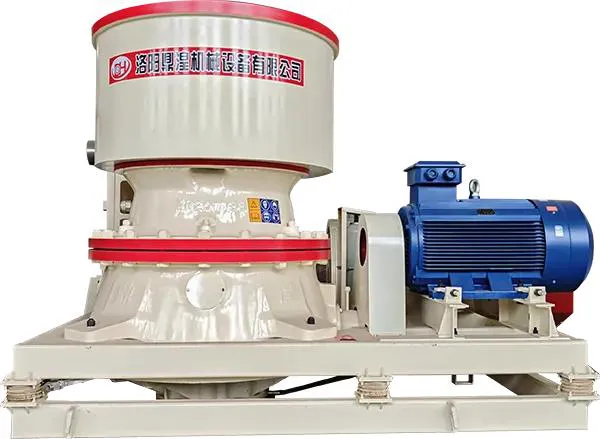
If your jaw crusher continues to vibrate excessively despite repeated maintenance, the issue may stem from outdated design or structural fatigue.
In such cases, upgrading to a newer model with improved balancing design and automation features can significantly enhance performance.
Modern jaw crushers often include:
Optimized dynamic balance systems
Intelligent feeding control
Real-time monitoring sensors
These advancements help maintain stable operation and reduce long-term operational risks.
Excessive vibration in a jaw crusher is not a minor issue—it is a warning signal that demands attention. Ignoring it can lead to higher maintenance costs, reduced productivity, and even safety hazards.
By understanding the root causes—whether they involve feeding, installation, wear parts, or mechanical imbalance—you can take targeted action to restore stability.
For businesses operating in mining, construction, or aggregate production, maintaining a well-balanced and properly functioning jaw crusher is essential for achieving consistent output and long-term profitability.
If you are currently facing persistent vibration issues or planning to optimize your crushing line, it may be worth conducting a full system evaluation. A small adjustment today can prevent major downtime tomorrow.
Top 3 Jaw Crusher Mistakes That Kill Your Production Rate
2026-07-20 02:40How Often Should You Replace Jaw Plates for Maximum Uptime?
2026-07-13 02:40Achieve Consistent 1-Inch Minus with These Jaw Crusher Settings
2026-06-29 06:06The Secret to Lower Energy Bills in Jaw Crushing Operations
2026-06-22 02:40Address: Luoyang Luoxin Industrial Park, Henan,China
E-mail: sales@yd-crusher.com
Phone: 86-139-3993-0123
Yude
Mechanical
Create the greatest value for customers
Provide the best quality products and services
86-139-3993-0123
sales@yd-crusher.com
Luoyang Luoxin Industrial Park, Henan,China