
Yude
Mechanical
Yude
Mechanical
When a jaw crusher's production rate drops, every hour of lost tonnage translates into thousands of dollars in missed revenue. Yet many operators routinely make preventable mistakes that silently sabotage throughput. Whether you run a quarry, mine, or recycling plant, understanding these three common errors — and how to correct them — can restore your crusher's performance and extend its service life. Below, we break down each mistake with root causes and actionable fixes, supported by insights from YUDE's decades of crushing experience.
The closed-side setting (CSS) is the smallest gap between the jaw dies at the bottom of the crushing chamber. An incorrect CSS is the single fastest way to kill your production rate.
Operators often widen the CSS to avoid plugging or to reduce wear, not realizing that this directly reduces crushing force and increases recirculating load. Conversely, a CSS that is too narrow chokes the chamber and causes packing, leading to frequent stalls.
An oversized CSS produces coarser product, forcing the screen deck to reject more material back to the crusher — a vicious cycle. Data from field studies show that even a 10 mm increase in CSS can reduce production by 15-20% while increasing power consumption per ton.
YUDE jaw crushers come with a hydraulic CSS adjustment system that allows you to dial in the precise setting in under 60 seconds without stopping the crusher. For manual setups, we recommend checking CSS daily and keeping a log. The right CSS for most aggregate applications is the smallest setting that still allows the crusher to run smoothly without stalling.
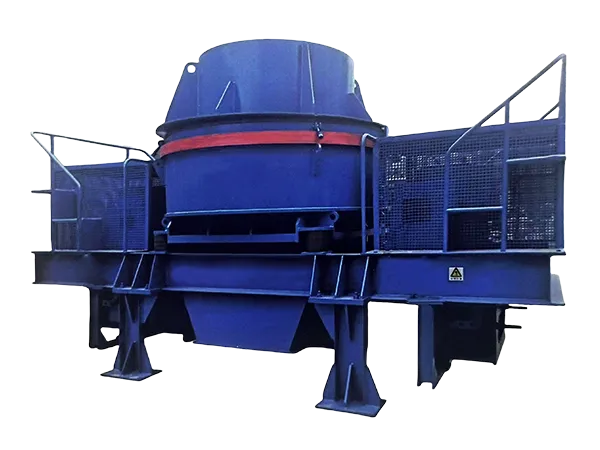
Even with the correct CSS, if the feed material is not distributed evenly across the jaw opening, you will leave tons of capacity on the table. This is one of the most overlooked jaw crusher mistakes.
When material is dumped in a single spot, a 'rat hole' forms in the center while the sides of the chamber remain empty. The crushing chamber is now only working at 40-50% capacity. Moreover, uneven feed creates lopsided wear on the jaw plates, accelerating replacement cost and downtime.
A properly designed feed chute with a baffle plate ensures material spreads across the entire jaw mouth. YUDE offers custom feed hoppers with adjustable wings to match your specific material density. Also, train your loader operators to dump in a sweeping arc rather than a single pile. A small change in technique yields a large lift in production.
Worn jaw liners are not just a maintenance cost — they actively reduce crushing efficiency. Many operators wait until the liners are bald before changing them, costing far more in lost output than the price of new liners.
As the manganese steel wears, the crushing profile changes from a deep-tooth grip to a shallow, smooth surface. This increases slippage — material bounces on the liner instead of being nipped and crushed. The result is a 10-30% drop in throughput along with higher fines generation.
There is a sweet spot: replace liners when the teeth depth has worn down to about 60% of original depth. Waiting until 40% or less is already past the economic threshold. YUDE's experienced technicians can help you track wear using simple templates or 3D laser scanning on site.
Different materials require different tooth patterns. For hard, abrasive rock, YUDE recommends a smooth-corrugated profile for maximum bite. For soft, sticky feed, a deep chevron pattern reduces packing. Using the wrong profile accelerates wear and reduces production — a common yet easily fixable mistake.
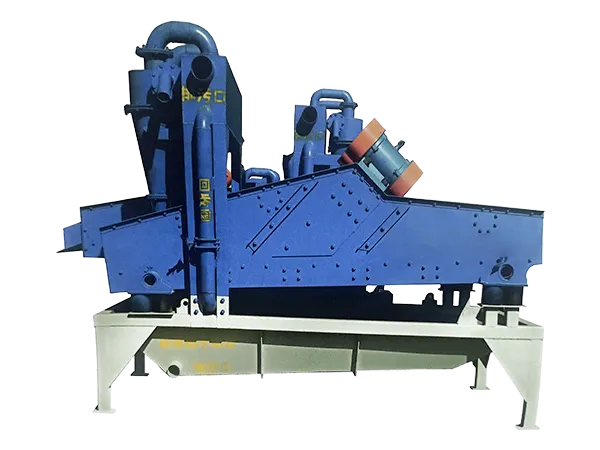
At least once per shift. YUDE recommends using a lead wire test for manual crushers and relying on the hydraulic gauge for those equipped with auto-adjust.
Yes. The three fixes above — correct CSS, even feed distribution, and timely liner replacement — can typically boost production by 20-40% without any capital investment.
YUDE provides a full performance guarantee matched to your ore type and target production rate. We do not use generic designs; every crusher is tuned to your specific application.
The top three jaw crusher mistakes — wrong CSS, poor feed distribution, and worn liners — are entirely within your control. Each one silently reduces your daily output while increasing operating cost. By implementing the simple corrective measures outlined above, you can quickly restore production to nameplate capacity — or even exceed it. YUDE's engineering team has helped hundreds of operations globally eliminate these inefficiencies. If you suspect your crusher is not performing as it should, contact YUDE for a free on-site assessment and customized improvement plan.
Top 3 Jaw Crusher Mistakes That Kill Your Production Rate
2026-07-20 02:40How Often Should You Replace Jaw Plates for Maximum Uptime?
2026-07-13 02:40Achieve Consistent 1-Inch Minus with These Jaw Crusher Settings
2026-06-29 06:06The Secret to Lower Energy Bills in Jaw Crushing Operations
2026-06-22 02:40Address: Luoyang Luoxin Industrial Park, Henan,China
E-mail: sales@yd-crusher.com
Phone: 86-139-3993-0123
Yude
Mechanical
Create the greatest value for customers
Provide the best quality products and services
86-139-3993-0123
sales@yd-crusher.com
Luoyang Luoxin Industrial Park, Henan,China
