Yude
Mechanical
Yude
Mechanical
In modern sand processing, the sand washing machine is a cornerstone piece of equipment. Its primary role is to remove impurities such as silt, clay, and dust from raw sand, producing high-quality washed sand suitable for construction, concrete, and industrial use. Among all factors affecting the machine’s efficiency, water flow adjustment is one of the most critical. Correct water flow ensures thorough washing, reduces water and energy consumption, minimizes wear on equipment, and prolongs service life.
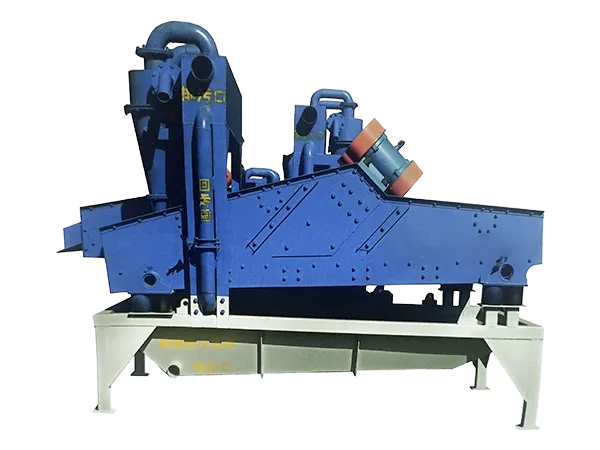
This guide provides practical, step-by-step advice on adjusting water flow in sand washing machines, along with tips drawn from real-world operations.
Water in a sand washing machine is not just a cleaning medium—it acts as a carrier for impurities. The right flow ensures that dirt and silt are effectively separated from the sand.
Problems caused by incorrect water flow:
Too little water: Sand may remain partially dirty, with residual mud and clay sticking to grains.
Too much water: Excessive water increases operational costs, can cause sand loss, and accelerates mechanical wear.
Benefits of proper water flow adjustment:
Produces clean, uniform sand that meets construction standards.
Reduces water and electricity usage.
Minimizes wear on pumps, impellers, and other components.
Improves overall washing efficiency, especially for fine sand.
The water inlet valve is the primary control point for water flow. Here’s how to adjust it correctly:
Locate the main inlet valve connected to your water source.
Gradually open or close the valve to increase or reduce water supply.
Observe the water level in the washing tank. Ideally, the water should fully cover the sand layer without overflowing.
Real-world tips:
Machines with multiple inlets require balanced adjustment; uneven water flow can cause sand accumulation in one area and uneven washing.
Make incremental changes: sudden adjustments can cause turbulence, washing inefficiency, or machine strain.
Note seasonal water level variations—hot, dry seasons may require slightly higher flow for consistent washing.
Most sand washing machines have an overflow weir to regulate water retention in the tank. Proper weir adjustment is critical:
Raise the weir: Retains water longer, allowing fine sand particles more time to separate impurities.
Lower the weir: Speeds up water discharge, saving water when processing coarse sand.
Example: For fine sand with a particle size of 0.2–0.5 mm, raising the weir by 2–3 cm can improve impurity removal by 10–15%, according to field observations.
Tip: Adjust the weir incrementally during the first hour of operation and monitor discharged water clarity before finalizing the setting.
The water pump plays a key role in maintaining stable flow. Effective pump management includes:
Pump speed control: Slower speeds reduce flow but may leave sand dirty; faster speeds improve washing but increase wear.
Pump inlet/outlet valves: Fine-tune flow by partially closing or opening valves.
Preventive maintenance: Check for blockages, worn impellers, and leaks regularly. A blocked pump can reduce flow by 20–30%, directly affecting sand quality.
Operator insight: Older pumps may require slightly higher flow settings to compensate for minor wear and ensure consistent washing quality.
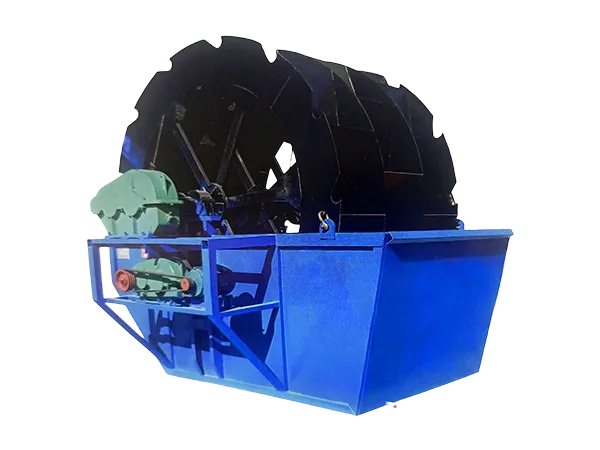
Water flow is dynamic, requiring ongoing monitoring:
Discharged water clarity: Cloudy water indicates excessive impurities or a sand overload.
Sand quality at the discharge point: Washed sand should appear uniform, clean, and dry.
Incremental adjustments: Avoid sudden changes. Increase or decrease flow gradually, observing results over 10–15 minutes.
Practical advice: Maintain a log of water inlet settings, weir height, and pump speed for different sand types. Over time, this builds a reference for optimal operational settings.
Environmental and water conditions affect flow adjustment:
Water hardness: Hard water may reduce washing efficiency; slightly higher flow may be needed.
Water scarcity: Optimize flow to balance efficiency and water usage.
Temperature: Cold water slows sedimentation; minor flow increases may be required in winter.
Site altitude: In high-altitude areas, water pressure may drop; pump adjustments can compensate.
Overfilling the tank: Leads to water waste and uneven washing.
Neglecting particle size differences: Fine and coarse sand require different water retention times.
Rapid valve adjustments: Can destabilize water flow, causing sand loss or machine wear.
Ignoring pump maintenance: Even small blockages reduce flow and compromise sand quality.
Sand type: Medium sand, particle size 0.3–1 mm.
Water inlet: Open valve 60% initially, adjust ±5% based on clarity of discharged water.
Overflow weir: Raise 2 cm for fine particles; lower slightly for coarser sand.
Pump speed: Set to 75% of maximum capacity for balance between washing efficiency and wear.
Observation cycle: Check water clarity and sand quality every 15 minutes for the first hour.
Outcome: This method ensures uniformly washed sand while keeping water and energy use efficient.
Adjusting water flow in a sand washing machine is a simple yet crucial operation that directly impacts sand quality, operational efficiency, and equipment lifespan. By understanding and correctly managing the water inlet, overflow weir, and pump settings, combined with careful monitoring and preventive maintenance, operators can achieve high-quality washing results, conserve resources, and maintain long-term equipment reliability.
With proper adjustment and observation, your sand washing operations will be more efficient, sustainable, and cost-effective, delivering consistent, industry-standard sand for construction and industrial applications.
Top 3 Jaw Crusher Mistakes That Kill Your Production Rate
2026-07-20 02:40How Often Should You Replace Jaw Plates for Maximum Uptime?
2026-07-13 02:40Achieve Consistent 1-Inch Minus with These Jaw Crusher Settings
2026-06-29 06:06The Secret to Lower Energy Bills in Jaw Crushing Operations
2026-06-22 02:40Address: Luoyang Luoxin Industrial Park, Henan,China
E-mail: sales@yd-crusher.com
Phone: 86-139-3993-0123
Yude
Mechanical
Create the greatest value for customers
Provide the best quality products and services
86-139-3993-0123
sales@yd-crusher.com
Luoyang Luoxin Industrial Park, Henan,China