Yude
Mechanical
Yude
Mechanical
In the evolving landscape of mining and aggregate processing, understanding the financial implications of equipment operation has become critical for operational efficiency. Among the various crushing solutions available, impact crushers have gained significant attention due to their high reduction ratios, ability to handle medium-hard to soft materials, and flexibility in producing a consistent particle size. However, as mining projects expand and production scales increase, operators are increasingly concerned with the impact crusher operating cost per ton 2026, a key metric that directly affects project profitability.
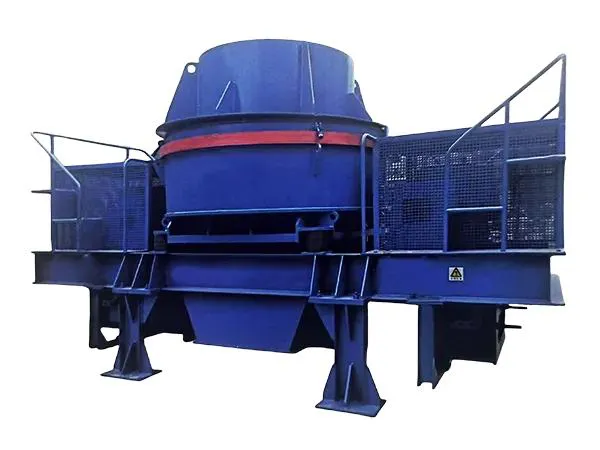
Calculating the operating cost per ton for an impact crusher involves a multifaceted approach. Costs are influenced by several factors, including:
Energy Consumption: Impact crushers generally consume more energy than jaw crushers for similar feed sizes due to their high-speed rotor mechanism. However, technological improvements in rotor design and motor efficiency are gradually reducing energy consumption in newer models.
Wear Parts and Maintenance: The cost of wear components such as blow bars, impact plates, and rotors significantly impacts the operating cost per ton. In 2026, manufacturers are focusing on high-chrome and alloy steel materials that extend component life, thereby reducing frequent replacements and downtime.
Labor and Operational Efficiency: Skilled operators can optimize feed rates, rotor speed, and reduction ratios to minimize unnecessary wear and maximize throughput. Automation technologies, including remote monitoring and predictive maintenance, are becoming more prevalent, helping reduce human error and labor costs.
Material Characteristics: The type and hardness of the material being processed directly influence operating costs. Softer materials like limestone require less wear-intensive processing, whereas harder rocks such as basalt or granite can accelerate wear and energy consumption.
Throughput and Load Management: Efficient load distribution and proper crusher sizing can reduce overloading, which not only saves energy but also extends equipment lifespan. Oversized or undersized crushers can lead to inefficiencies that increase the cost per ton.
With industry trends leaning toward digitalization and sustainability, the impact crusher operating cost per ton 2026 is expected to be influenced by a combination of technological improvements and operational best practices:
Energy Efficiency Improvements: Advanced variable frequency drives (VFDs) and high-efficiency motors are projected to reduce electricity consumption by 10-15% compared to conventional models, lowering per-ton costs for energy-intensive operations.
Extended Wear Component Lifespan: Innovative materials and coatings for blow bars and impact plates are anticipated to extend service life by 20-25%, reducing maintenance-related downtime and component replacement expenses.
Predictive Maintenance: Sensors and IoT-enabled monitoring systems allow operators to predict wear and potential failures before they occur, minimizing unexpected stoppages. This reduces both labor costs and lost production, directly impacting the operating cost per ton.
Automation and Remote Operation: The integration of automated feed control and remote operation can optimize crusher efficiency, enabling consistent throughput and minimizing energy spikes caused by feed inconsistencies.
To illustrate, consider a mid-size impact crusher processing limestone at a production rate of 200 tons per hour. Suppose the following annual operational costs:
Energy cost: $120,000
Labor: $50,000
Wear parts: $80,000
Routine maintenance: $30,000
Total annual cost: $280,000
Assuming 2,000 operational hours per year, the total production is 400,000 tons. The operating cost per ton can be calculated as:
Operating Cost Per Ton=Total Annual Cost/Annual Production=280,000/400,000=0.70 USD/ton
By optimizing energy consumption, extending wear part life, and reducing downtime, operators could reduce costs to approximately $0.55–$0.60 per ton in 2026, depending on site-specific conditions.
Proper Material Pre-Processing: Removing oversized or abrasive material before feeding it into the crusher reduces wear and tear on critical components.
Scheduled Preventive Maintenance: Regular inspections, lubrication, and component checks prevent sudden breakdowns and maintain consistent efficiency.
Optimize Feed Size and Distribution: Maintaining a uniform feed size and controlled feed rate prevents overloading and ensures consistent crushing efficiency.
Invest in High-Quality Wear Parts: While initially more expensive, high-quality blow bars and impact plates reduce long-term replacement costs and downtime.
Leverage Technology: Remote monitoring systems, predictive maintenance algorithms, and automation help maintain peak efficiency and minimize unnecessary operational costs.
The impact crusher operating cost per ton 2026 is a critical metric for mining operators seeking to maximize profitability and maintain sustainable production. By understanding the key factors that influence operating costs and implementing strategic measures, operators can significantly reduce per-ton expenses while maintaining high productivity levels. The integration of energy-efficient technology, durable wear parts, predictive maintenance, and automation will be central to achieving cost-effective operations in the coming years. For mining projects aiming to stay competitive in 2026, evaluating and managing these costs is not just a financial consideration—it is a core component of operational excellence.
Top 3 Jaw Crusher Mistakes That Kill Your Production Rate
2026-07-20 02:40How Often Should You Replace Jaw Plates for Maximum Uptime?
2026-07-13 02:40Achieve Consistent 1-Inch Minus with These Jaw Crusher Settings
2026-06-29 06:06The Secret to Lower Energy Bills in Jaw Crushing Operations
2026-06-22 02:40Address: Luoyang Luoxin Industrial Park, Henan,China
E-mail: sales@yd-crusher.com
Phone: 86-139-3993-0123
Yude
Mechanical
Create the greatest value for customers
Provide the best quality products and services
86-139-3993-0123
sales@yd-crusher.com
Luoyang Luoxin Industrial Park, Henan,China