
Yude
Mechanical
Yude
Mechanical
In the realm of aggregate processing and mining operations, the choice of feeding method for impact crushers significantly influences operational efficiency, energy consumption, and overall production output. Two prevalent feeding strategies are gravity-fed and conveyor-fed systems, each offering distinct advantages and limitations. Understanding the nuances of gravity-fed vs conveyor-fed impactor efficiency is crucial for plant engineers, production managers, and equipment purchasers who aim to maximize throughput while minimizing operational costs.
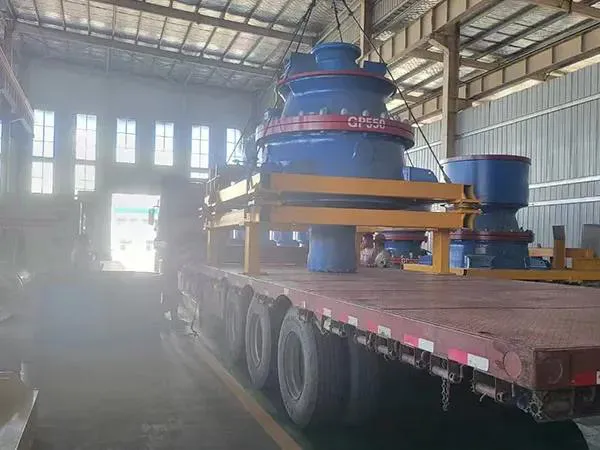
Gravity-fed impactors operate by utilizing the natural force of gravity to move material from the feed hopper directly into the crushing chamber. This feeding method is often preferred for smaller-scale operations or for applications where material flow is consistent and predictable. The simplicity of the gravity-fed design reduces mechanical complexity and maintenance requirements, as fewer moving components are involved in the feeding process.
From an efficiency standpoint, gravity-fed impactors can provide excellent crushing performance when material characteristics are uniform. The consistent gravitational feed allows for optimal distribution of material onto the rotor, reducing the likelihood of clogging and uneven wear. However, these systems are less adaptable to variable material volumes or high-capacity operations. During peak production, a gravity-fed system may experience fluctuations in material supply, which can reduce crusher efficiency and result in uneven product size distribution.
Conveyor-fed impactors, by contrast, use belt conveyors or vibratory feeders to deliver material into the crusher at a controlled and consistent rate. This feeding strategy is widely adopted in large-scale operations where throughput optimization and process stability are paramount. By precisely controlling the feed rate, conveyor-fed systems minimize energy losses caused by overloading or underfeeding, which directly improves operational efficiency.
Additionally, conveyor-fed impactors can handle a broader range of material sizes and types, including those with varying moisture content or abrasiveness. The ability to regulate feed rate allows operators to maintain consistent crushing conditions, which contributes to uniform product quality and extends the service life of wear parts such as blow bars and impact plates. For facilities aiming to integrate automation or advanced process monitoring, conveyor-fed systems provide the flexibility necessary for real-time operational adjustments, further enhancing efficiency.
When evaluating gravity-fed vs conveyor-fed impactor efficiency, several key metrics should be considered:
Throughput Capacity: Conveyor-fed systems generally achieve higher throughput due to consistent material delivery, while gravity-fed systems may be limited by hopper design and material flow characteristics.
Energy Consumption: Controlled feeding in conveyor-fed impactors reduces unnecessary energy use caused by sudden surges or feed interruptions. Gravity-fed systems may experience energy inefficiencies during uneven material flow.
Product Quality: Conveyor-fed crushers produce a more uniform particle size distribution because feed rates are steady and predictable. Gravity-fed systems can result in variable product sizes under fluctuating material volumes.
Maintenance and Wear: Gravity-fed designs benefit from simplicity, leading to lower maintenance demands. Conveyor-fed systems, while mechanically more complex, can extend the lifespan of wear components through controlled feeding.
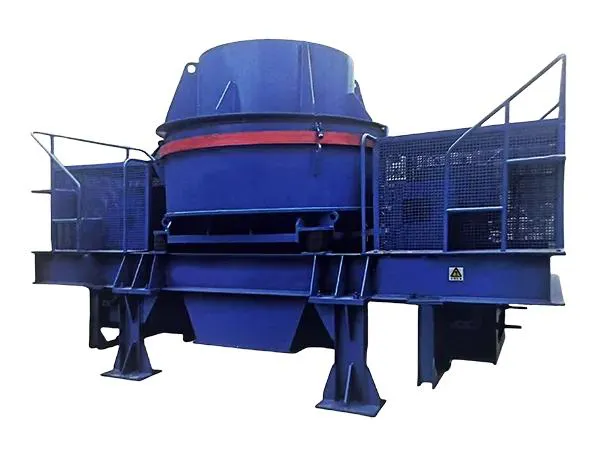
Selecting the most suitable feeding method requires a thorough assessment of operational needs. Gravity-fed impactors may be ideal for small to medium-scale projects, remote sites, or operations with limited access to power and complex infrastructure. Their low initial investment and straightforward maintenance make them cost-effective for these scenarios.
Conversely, conveyor-fed impactors are better suited for high-capacity crushing plants, urban quarries, or industries requiring consistent product quality and energy efficiency. The ability to automate feeding and integrate with process control systems makes conveyor-fed designs an attractive option for modern production environments.
A mid-sized aggregate processing facility recently transitioned from gravity-fed to conveyor-fed impactors. By implementing a variable-speed conveyor system, the plant achieved a 15% increase in throughput while reducing energy consumption per ton of material by approximately 10%. Additionally, the consistent feed rate minimized wear on blow bars, extending their replacement cycle by several months. This case demonstrates that while gravity-fed impactors provide simplicity, conveyor-fed systems deliver measurable efficiency improvements, especially under demanding operational conditions.
The choice between gravity-fed and conveyor-fed impactors directly impacts operational efficiency, energy consumption, and product quality. Gravity-fed impactors offer simplicity, lower maintenance, and cost-effectiveness for smaller operations or stable feed conditions. Conveyor-fed impactors, however, provide superior throughput control, uniform product size, and enhanced energy efficiency, making them the preferred choice for modern, high-capacity crushing operations.
Understanding the differences in gravity-fed vs conveyor-fed impactor efficiency enables engineers and plant managers to make informed decisions that align with production goals, operational budgets, and long-term equipment performance. For organizations seeking to optimize crushing operations, evaluating these feeding strategies is a critical step toward achieving reliable, cost-effective, and high-performance aggregate production.
Top 3 Jaw Crusher Mistakes That Kill Your Production Rate
2026-07-20 02:40How Often Should You Replace Jaw Plates for Maximum Uptime?
2026-07-13 02:40Achieve Consistent 1-Inch Minus with These Jaw Crusher Settings
2026-06-29 06:06The Secret to Lower Energy Bills in Jaw Crushing Operations
2026-06-22 02:40Address: Luoyang Luoxin Industrial Park, Henan,China
E-mail: sales@yd-crusher.com
Phone: 86-139-3993-0123
Yude
Mechanical
Create the greatest value for customers
Provide the best quality products and services
86-139-3993-0123
sales@yd-crusher.com
Luoyang Luoxin Industrial Park, Henan,China
