Yude
Mechanical
Yude
Mechanical
In modern mining and aggregate processing environments, the reliability of cone crusher equipment directly determines production efficiency and cost control. Among all critical components, the mantle and concave liners in a cone crusher play a decisive role in shaping output quality, throughput stability, and maintenance frequency. These wear parts operate under continuous high-pressure crushing conditions, often handling abrasive and irregular materials, which makes their degradation unavoidable over time.
However, premature wear is not simply a matter of material fatigue—it is often the result of operational inefficiencies, improper configuration, or overlooked maintenance details. For plant managers and engineers aiming to reduce downtime and improve return on investment, extending the service life of mantles and liners is a strategic priority rather than a routine task.
This guide explores practical, field-tested methods to enhance wear part longevity while aligning with modern industrial best practices and performance expectations.
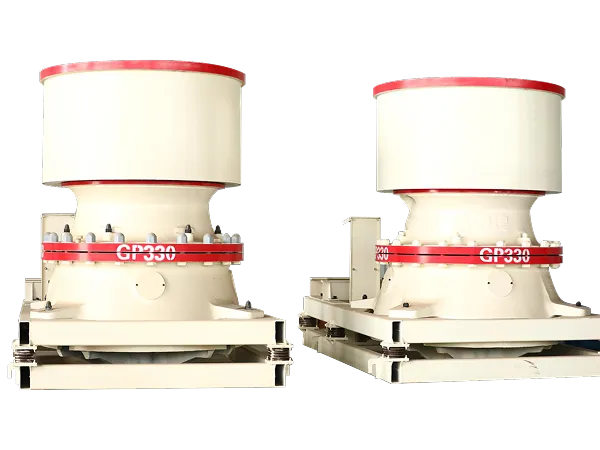
To effectively extend component lifespan, it is essential to understand how and why wear occurs. In a cone crusher, the mantle performs a gyratory motion inside the concave liner, compressing material against a stationary surface. This process generates two primary types of wear:
Abrasive wear, caused by hard particles continuously grinding against the surface
Impact wear, resulting from large or uneven feed materials striking the liners
The rate at which these wear mechanisms occur depends on multiple interacting variables:
The hardness, moisture content, and silica composition of the processed material
The consistency and gradation of feed entering the crushing chamber
The mechanical setup, including eccentric throw and chamber configuration
The metallurgical properties of the wear parts themselves
A clear understanding of these factors allows operators to move from reactive replacement to proactive lifecycle management.
In many operations, the installation phase is underestimated, yet it has a direct and lasting influence on wear performance. Even slight deviations in alignment or seating can lead to uneven load distribution, accelerating localized wear and increasing the risk of cracking.
To ensure optimal installation quality:
Carefully inspect all seating surfaces and remove residual debris or contaminants
Verify that the mantle and liner are fully seated without gaps or tilt
Apply correct torque values to fastening systems to prevent loosening during operation
Conduct a post-installation inspection after initial operation cycles
Field experience shows that well-installed liners can significantly outlast improperly mounted ones, even when operating under identical conditions.
While maximizing output is often a key objective, pushing a cone crusher beyond its optimal operating range can drastically shorten wear part lifespan. A balanced approach to parameter adjustment is essential.
Key operational considerations include:
Closed Side Setting (CSS): Reducing CSS increases product fineness but also intensifies wear. Adjustments should be gradual and aligned with material characteristics.
Chamber loading: Maintaining a consistent and evenly distributed feed helps avoid concentrated stress zones
Throughput control: Operating within the machine’s design capacity prevents excessive pressure on liners
Rather than focusing solely on production volume, experienced operators prioritize stable, controlled crushing conditions that minimize unnecessary stress.
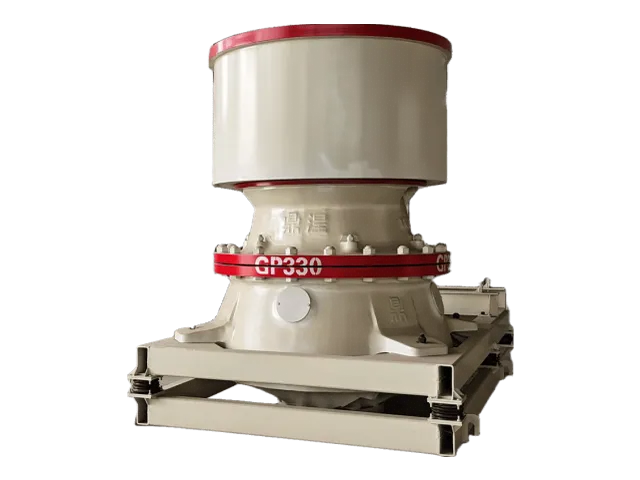
Not all wear parts are created equal, and selecting the right material can dramatically influence service life. The choice should always be guided by the specific working environment rather than a one-size-fits-all approach.
Common material strategies include:
High manganese steel: Ideal for high-impact applications due to its work-hardening properties
Alloyed steels: Suitable for abrasive conditions where surface wear resistance is critical
Composite or multi-layer materials: Designed for advanced applications requiring both toughness and abrasion resistance
Collaborating with experienced suppliers and sharing real operational data—such as feed composition and wear patterns—can lead to more tailored and effective material solutions.
Routine maintenance is not just about inspections; it is about identifying early warning signs and taking corrective action before minor wear evolves into major damage.
An effective maintenance program should include:
Scheduled visual inspections to detect cracks, spalling, or irregular wear zones
Measurement of liner thickness to track wear progression over time
Strategic rotation or repositioning of liners to distribute wear more evenly
Consistent lubrication management to reduce friction and heat buildup
Operations that adopt a predictive mindset—rather than waiting for visible failure—often achieve significantly longer wear cycles.
Among all operational variables, feed quality and distribution have perhaps the most immediate impact on liner lifespan. Poor feed conditions can negate even the best material and maintenance strategies.
To maintain optimal feed conditions:
Ensure uniform material distribution across the crushing chamber
Avoid introducing oversized rocks that exceed design limits
Use pre-screening systems to remove fines, clay, and contaminants that accelerate abrasion
Maintain a steady feed rate to prevent shock loading
A well-controlled feed system not only extends wear life but also improves product consistency and overall plant efficiency.
Human factors play a critical role in equipment longevity. Inconsistent operating practices, sudden load changes, or improper startup procedures can all contribute to accelerated wear.
Best practices for operational management include:
Implementing standardized startup and shutdown procedures
Avoiding frequent interruptions that disrupt stable crushing conditions
Training operators to recognize how their actions affect wear patterns
Keeping detailed operational logs to correlate performance with wear trends
Organizations that invest in operator training often see measurable improvements in equipment lifespan and reliability.
As digitalization continues to reshape industrial operations, advanced monitoring tools are becoming increasingly valuable in managing wear parts.
Technologies such as:
Vibration monitoring systems to detect imbalance or abnormal movement
Wear sensors embedded in liners to track real-time degradation
Data analytics platforms to predict maintenance intervals based on usage patterns
These tools enable data-driven decision-making, allowing operators to replace components at the optimal time—neither too early nor too late.
Extending the lifespan of cone crusher mantles and liners is not achieved through a single adjustment, but through a combination of informed decisions across installation, operation, material selection, and maintenance.
When approached strategically, wear part management becomes more than a cost-control measure—it evolves into a key driver of operational stability, production efficiency, and long-term profitability. By integrating disciplined operational practices with modern monitoring technologies, industrial operators can significantly reduce downtime, improve output consistency, and maximize the value of every crushing cycle.
In an increasingly competitive industrial landscape, those who manage wear intelligently will always stay one step ahead.
Top 3 Jaw Crusher Mistakes That Kill Your Production Rate
2026-07-20 02:40How Often Should You Replace Jaw Plates for Maximum Uptime?
2026-07-13 02:40Achieve Consistent 1-Inch Minus with These Jaw Crusher Settings
2026-06-29 06:06The Secret to Lower Energy Bills in Jaw Crushing Operations
2026-06-22 02:40Address: Luoyang Luoxin Industrial Park, Henan,China
E-mail: sales@yd-crusher.com
Phone: 86-139-3993-0123
Yude
Mechanical
Create the greatest value for customers
Provide the best quality products and services
86-139-3993-0123
sales@yd-crusher.com
Luoyang Luoxin Industrial Park, Henan,China