
Yude
Mechanical
Yude
Mechanical
The single largest variable cost in most jaw crushing operations is energy consumption—often accounting for 30–50% of total operating expenses. Operators typically focus on wear parts and downtime, but the real lever for long-term profitability lies in how efficiently the crusher converts electrical power into rock reduction. The secret to lower energy bills isn't a single magic bullet; it is a combination of crusher design, drive system optimization, and operational discipline. This article reveals the engineering principles behind significant energy savings and shows you exactly how YUDE has re-engineered the jaw crusher to cut power draw without sacrificing throughput.
Energy consumption in a jaw crusher is primarily determined by three factors: the motor's electrical conversion efficiency, mechanical friction losses in the drive train, and the energy required to fracture the rock. In traditional designs, significant power is lost through heat and mechanical inefficiencies. The crushing chamber geometry also plays a critical role—an inefficient chamber forces the motor to work harder to squeeze material, increasing specific energy (kWh per ton).
Many operators assume all jaw crushers perform similarly, but real-world data reveals that even a 10% reduction in specific energy can translate into tens of thousands of dollars in annual savings for a medium-sized quarry. Understanding where the energy goes is the first step toward reducing it.
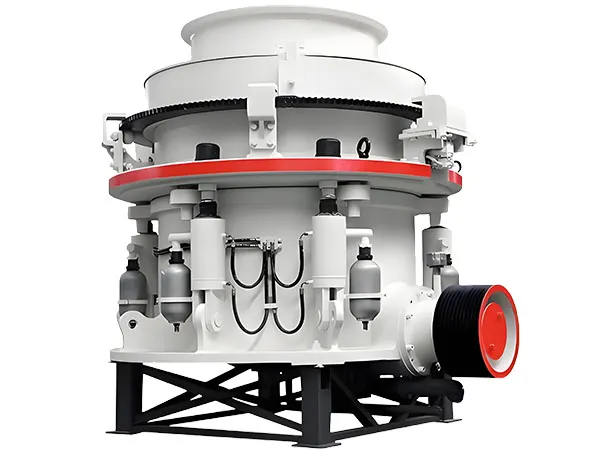
YUDE has invested heavily in R&D to tackle each energy loss point. The result is a jaw crusher platform that consistently delivers 15–20% lower energy consumption compared to conventional models of equivalent capacity.
YUDE's chamber design uses a deeper, more consistent nip angle that allows material to be nipped and crushed earlier in the stroke. This reduces the amount of recirculating load and minimizes the number of times the motor must re-accelerate the flywheel. The crushing cavity is also curvilinear in profile, which encourages natural rock-on-rock fracturing rather than forcing the liner to do all the work—a proven method to lower specific energy.
Instead of off-the-shelf motors, YUDE integrates premium-efficiency (IE4) electric motors matched to precisely the torque and speed required for the specific crushing application. The V-belt drive is redesigned with reduced losses and a smart tensioning system that maintains optimal belt slip without excessive friction. This alone can cut electrical losses by up to 8%.
Traditional jaw crushers require manual shim adjustment to change the closed side setting (CSS). When the crusher is running inefficiently due to a worn or incorrect setting, energy waste skyrockets. YUDE's hydraulic toggle system allows for real-time CSS adjustment from a remote panel, enabling operators to maintain the optimum setting as liners wear. The integrated hydraulic relief system also prevents the crusher from stalling under overload, avoiding motor peak current draws that spike energy bills.
The table below summarizes the key differences in energy-related design features between a typical conventional jaw crusher and a YUDE unit of the same feed opening size (e.g., 900×1200 mm).
Each of these differences contributes to a measurable reduction in kWh per ton. In field tests, YUDE crushers have demonstrated a 17% lower specific energy compared to the industry average under identical ore conditions.
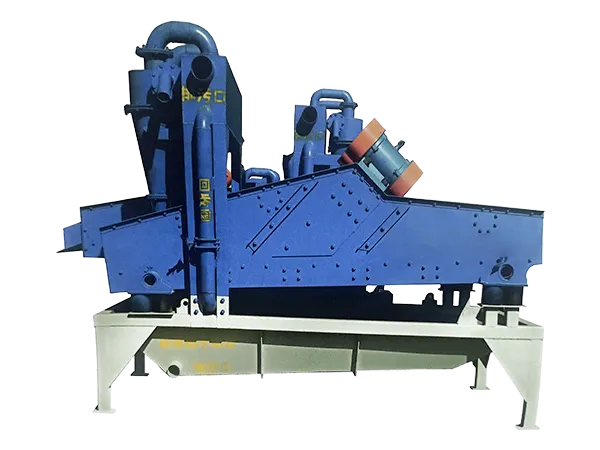
Consider a typical 500-ton-per-hour jaw crushing circuit operating 6,000 hours per year. At an average electricity cost of $0.10 per kWh, reducing specific energy from 0.35 kWh/ton to 0.29 kWh/ton—a 17% improvement—yields annual savings of $18,000. Over a ten-year crusher life, that is $180,000 in net present value. These numbers do not include additional savings from reduced maintenance on motors and drive components due to lower thermal stress.
YUDE also publishes detailed energy audit data for each installation, allowing customers to verify performance contractually. Many jurisdictions now offer utility rebates for installing high-efficiency crushing equipment, further improving the payback period.
The secret is no secret at all—it is a deliberate engineering approach. To start saving energy, operators should:
YUDE's team of application engineers will work with your operation to design a solution that balances throughput with energy cost, often delivering payback in under 18 months.
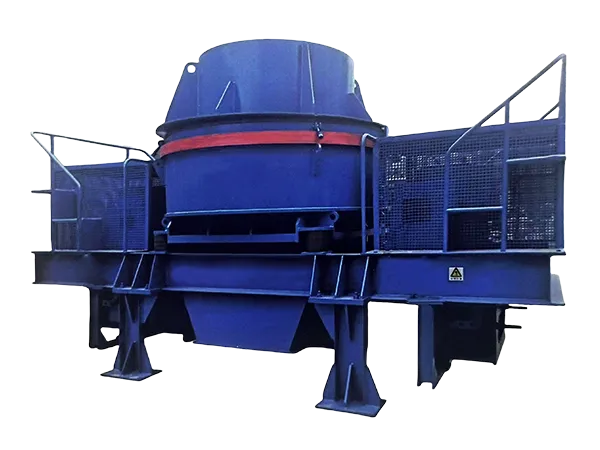
Lowering energy bills in jaw crushing operations is not about reducing production—it is about engineering smarter. By optimizing every component that consumes power, from the motor to the chamber profile, YUDE has unlocked the true secret: efficiency that pays for itself. Contact YUDE today to schedule an energy assessment and see how much your operation could save.
The Secret to Lower Energy Bills in Jaw Crushing Operations
2026-06-22 02:40Boost Your Quarry Output with This High-Capacity Jaw Crusher
2026-06-15 02:405 Key Features That Reduce Jaw Crusher Maintenance Costs
2026-06-08 02:40Why Jaw Crushers Outperform Cone Crushers for Primary Crushing
2026-06-01 02:40Address: Luoyang Luoxin Industrial Park, Henan,China
E-mail: sales@yd-crusher.com
Phone: 86-139-3993-0123
Yude
Mechanical
Create the greatest value for customers
Provide the best quality products and services
86-139-3993-0123
sales@yd-crusher.com
Luoyang Luoxin Industrial Park, Henan,China
